

Nancy, p.1
Nancy, page 1


PRAISE FOR NANCY
“An alarming, beautifully compassionate novel. Original and perfect for these strange times we live in.” —Jazmina Barrera, author of On Lighthouses
“‘After a while, their silence is worse than being at death’s door. Maybe even worse than hope,’ says the protagonist of this beautiful, terrifying novel, which at times recalls César Vallejo’s poems, at times Robert Browning’s dramatic monologues, and at times Herta Müller’s ferocious fiction. A single, simple special effect—pages sown with Xs, stained with crosses—transforms the reading into an incessant, painful blinking. Readers vacillate, shift position, try out obvious or sophisticated or whimsical interpretations, and are as mistrustful of these tricks as Nancy herself would be of strangers who suddenly seem too interested in listening to her. An inventory of abandonment and abuse, inevitable diary of death and of growing up, a diatribe against routine religious fervor, and a bitter collection of involuntary poetry, this extraordinary novel far transcends denunciation and the exercise in style, reaching a new, unexpected, dissident realism.”
—Alejandro Zambra, author of Multiple Choice
“A devastating, psychic exploration of our crumbling world, told in a visceral style that proves Bruno Lloret to be a force among the emerging Chilean writers of today.”
—Fernando A. Flores, author of
Tears of the Trufflepig
“Bruno Lloret’s Nancy is a requiem, a funeral pyre, a poetic novel dedicated to the factory towns and their unremembered inhabitants. Told with breathless economy, an entire world of Romany and gringos, sinners and the devout walk across the serrated desert of this Chilean masterpiece. Part coming-of-age, part meditation on poverty, grief, and environmental collapse, I’ve never read anything quite like it.”
—Mark Haber, author of Reinhardt’s Garden
“A moving, masterful debut… Death, trauma, violence, sexuality, family, religion, class, Nancy, in offering a tale of one, juxtaposes the individual’s singularity with the similarity of shared human experience. With sparse prose and uncanny realism, Lloret thrusts the reader into a staccato reminiscence of a life spent in struggle and defeat. Nancy resonates; Nancy eulogizes; Nancy dignifies—perhaps most of all, Nancy empathizes, with and for a life, however fictional, that seldom enjoyed the grace it so quietly deserved.”
—Jeremy Garber, Powell’s (Portland, OR)
“A profound and disturbing meditation on the nature of belief, poverty and the human detritus of global capital.” —The Saturday Paper
“Nancy is a work of great emotional and intellectual maturity. It is surprising that it is a debut novel. With it, Bruno Lloret announces himself as a writer who is unafraid to explore life at the margins of society, but who is sensitive to the complexity of his subject. The stark, brutal simplicity of the prose, rendered in translation by Ellen Jones, highlights the brutality of the world created on these pages.”
—3:AM Magazine
“An atmospheric, expansive story of melancholy situated somewhere between the Pacific Ocean and the Atacama Desert… Nancy works at the height of fiction’s power to bring us closer to others.”
—ArtsHub (5/5 stars)
“[Nancy] uncovers the painful wounds inflicted by belief and by poverty, when life has become a wilderness, a minefield, an act of survival, in which even love and desire are reduced to nothing, witnesses to a happiness as improbable as it is precarious.”
—Leonardo Sanhueza
“We have here an extremely sensitive, intelligent, talented writer… A marvel.”
—Rodrigo Hidalgo, El Guillatún
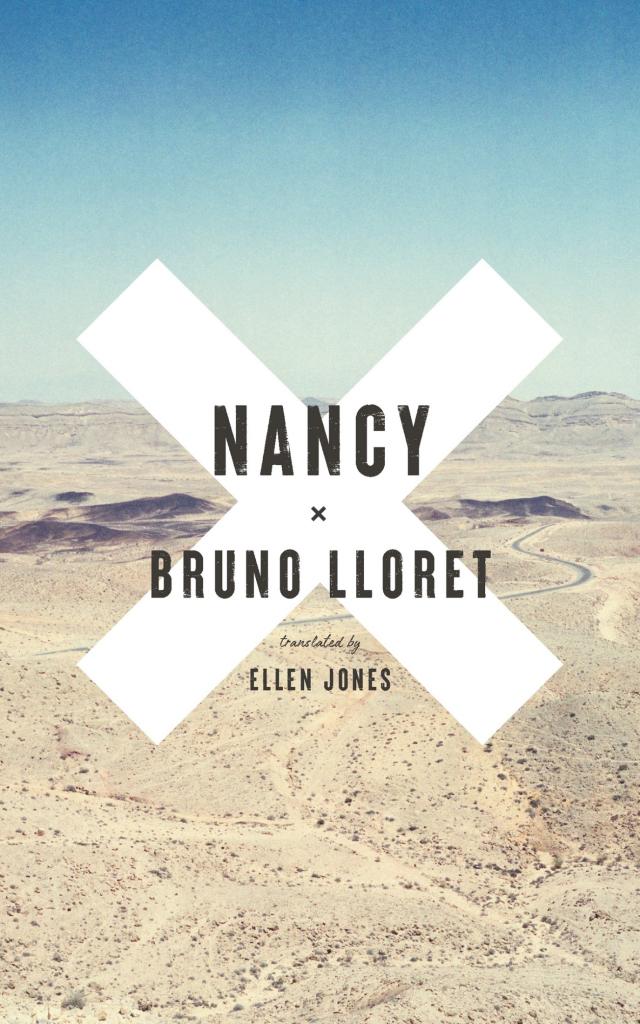
BRUNO LLORET
Translated from Spanish by
ELLEN JONES
TWO LINES PRESS
First published in Chile as Nancy by Editorial Cuneta, 2015
Copyright © 2015 by Bruno Lloret
C/O Puentes Agency
Translation copyright © 2020 by Ellen Jones
English translation first published in Australia by Giramondo Publishing, 2020
Cover design by Gabriele Wilson
Cover photo by Heike Bors / Millennium Images, UK
Design by Sloane | Samuel
Printed in the United States of America
Two Lines Press
582 Market Street, Suite 700, San Francisco, CA 94104
www.twolinespress.com
ISBN: 978-1-949641-12-7
Ebook ISBN: 978-1-949641-13-4
Library of Congress Cataloging-in-Publication Data
Names: Lloret, Bruno, author. | Jones, Ellen, 1989– translator.
Title: Nancy / Bruno Lloret; translated from Spanish by Ellen Jones.
Other titles: Nancy. English
Description: San Francisco, CA: Two Lines Press, [2021] | Summary: “A dying woman relives her youth in this heartrending novel punctuated by graves, footprints, x-rays, and crosses”-- Provided by publisher.
Identifiers: LCCN 2020030574 (print) | LCCN 2020030575 (ebook) ISBN 9781949641127 (hardcover) | ISBN 9781949641134 (ebook)
Classification: LCC PQ8098.422.L67 N3613 2021 (print) LCC PQ8098.422.L67 (ebook) | DDC 863/.7--dc23
LC record available at https://lccn.loc.gov/2020030574
LC ebook record available at https://lccn.loc.gov/2020030575
1 3 5 7 9 10 8 6 4 2
This project is supported in part by an award from the National Endowment for the Arts.
For Marina, Nova, and Samuel
Contents
Chapter 1
Chapter 2
Chapter 3
Chapter 4
Chapter 5
Chapter 6
Chapter 7
Chapter 8
Chapter 9
Chapter 10
Chapter 11
Chapter 12
Chapter 13
The farther you walk from home, the longer the way back.
—Mormon proverb
×
×
×
×
×
××
×××
××××
×××××××
×××××××××××
×××××××××××××××
×××××××××××××××××××
××××××××××××××××××××××
××××××××××××××××××××××
××××××××××××××××××××××
××××××××××××××××××××××
××××××××××××××××××××××
××××××××××××××××××××××
××××××××××××××××××××××
××××××××××××××××××××××
××××××××××××××××××××××
××××××××××××××××××××××
××××××××××××××××××××××
××××××××××××××××××××××
××××××××××××××××××××××
××××××××××××××××××××××
××××××××××××××××××××××
××××××××××××××××××××××
××××××××××××××××××××××
××××××××××××××××××××××
××××××××××××××××××××××
××××××××××××××××××××××
××××××××××××××××××××××
××××××××××××××××××××××
××××××××××××××××××××××
××××××××××××××××××××××
××××××××××××××××××××××
××××××××××××××××××××××
××××××××××××××××××××××
××××××××××××××××××××××
××××××××××××××××××××××
××××××××××××××××××××××
××××××××××××××××××××××
××××××××××××××××××××××
××××××××××××××××××××××
××××××××××××××××××××××
××××××××××××××××××××××
××××××××××××××××××××××
××××××××××××××××××××××
××××××××××××××××××××××
××××××××××××××××××××××
××××××××××××××××××××××
××××××××××××××××××××××
××××××××××××××××××××××
××××××××××××××××××××××
××××××××××××××××××××××
××××××××××××××××××××××
××××××××××××××××××××××
××××××××××××××××××××××
××××××××××××××××××××××
××××××××××××××××××××××
××××××××××××××××××××××
××××××××××××××××××××××
××××××××××××××××××××××
×××××××××××××××××
And one morning the horn sounded × × × × × My eyes snapped open × × I rolled over and looked at his face, that moustache of his longer than ever, those broomstick eyebrows × × A perfect mask of loneliness × I gave him a long hug, and just said
they’ve come for me
see you
× × × ×
× Papa santo, my saintly father, heaved a sigh and turned his face to the wall. I took my things and left × × ×
××××× And so it went ×××××
× × The convoy was much bigger this time × × × × × At least ten trucks ×× The dogs from the salt mine, hanging around the entrance to the warehouse where we’d been sleeping, watched them warily, uneasy at the growl of the engines ××× ××× A growl that thickened the atmosphere ×××
× And the sun rising over the gorges ×
× The white of the sky watching over us
× × Get a move on, chilena, said Jesule ×××
× You going to Bolivia?
× Course. Told you, didn’t I: this is the last run we’re doing × ×
× × Where in Bolivia though? × ×
× × Figure it out when we get there. See what the deal is, he replied. Wherever we can get the best price for the cars × × × × ×
× I asked him for a smoke, pretended to inhale, and said:
I already gave you all my money. More than two hundred lucas. I gotta get out of here × ×
× Easy now, he replied, that’s why we’re here. I told you we weren’t gonna ditch you. Plus we’ll be quick, you’ll be home in an hour × × ×
× No, I don’t wanna go home × × × × × × × × × × × × ×
× × × Where d’you wanna go then? × × ×
× Bolivia, with you guys × × ×
× × × × × × × And how am I sposed to get you through, paisa? he said, dismissing the plan with a wave of his hand × × × × × × ×
× That’s your problem, I answered, dead serious × × × ×
× × × × × × × × × × × × × × × × × × × × × × × × × × × × × × × × × ×
× × × × It was all I needed to say ×××
They put me under a tarp with a bunch of metal poles and pegs, rolled up inside a tent × × × I had water, bread, mortadella × × And I spent thirteen hours in the dark, choking on dust, completely numb × × × When they let me out to stretch my bones I’d already pissed myself twice × × × × × I slept in snatches full of sad dreams × × ×
× the kind you never remember after you wake up, but still, when you open your eyes there’s a real ache in your chest ×
× × × × × × × × The third time I got out for a breather they said we were past Oruro, so I could sit shotgun × × × × × × × ×
× I couldn’t stop staring at the landscape, dazed by the light and open space × × × × × × × × × × × × ×
×× The sky was a transparent ceiling three meters above my head ××××××
× Right: Where do you want us to drop you, kid? Jesulé asked × × × Three Romany guys were watching, leaning against the only truck still with us × × × × × ×
× The rest of the convoy had disappeared somewhere along the main road ×××× From the base of the mountain a tangle of sheep streamed toward us × × × A couple of dogs nipping here and there to keep the flow on course × × × × Behind them, a Bolivian with hard cracked skin, like coal × × ×
× × When that guy gets here I’ll tell you where I want you to leave me × × × × × × ×
× × We sat on a sharp rock × × × × × Jesulé was trying to stay stony-faced, pretending to be pissed off × × Three sheep stopped to lick the salt off my fingers, and I let them, cracking up, happy × × The shepherd tipped his hat as he passed us × × × Jesulé asked him about the weather × ×
× The old man looked at the sky, at the mountains apparently holding it up, and said: All good, it’s going to be clear × × × ×
× He asked for a cigarette and sat down to smoke ××××
× With every drag he came back to life a bit more, his eyes brightening × × × × × × He smiled and offered us some coca in thanks × × × × × × × × × × × × × × × × × × × While I was making a ball of leaves with my tongue I asked him how he was so sure it would be clear × × × Because of the clouds, he said × × × × × × Look at them and you’ll know if things’ll turn out right × × × × × × × × × × × × × × × × × × × × × × × × × × × × × × × × × × × So what are they saying now? I asked × × × × Nothing, señorita. Can’t you see there aren’t any? × × × × × × × × × × × × × × × ×
× I bowed my head and concentrated on throwing rocks at rocks × × I looked at the mountain, the foothills, the sheep: in the wake of the flock there wasn’t a single plant left × × × × × × × × × × × × × × × × × × × × × × × × × × × × × × × × × × × × × × × × × × × × × × × × × × × × × × × × × × × × × × × × × × × × × × × × × × × × × × × × × × × × × × × × × × × × And how d’you know when something bad’s gonna happen? × × × × × × × × × × × × × × × × × × × × × × × × × × × × × × × × × × × × × × He hushed the dogs with his hand and sent them back to keep the flock in check. As he waved goodbye, he said: Just look at the shadows of the clouds on the mountains × × × × × × × × × × × × × × × × × × × × × × × × × × × × × × × × × × × × × × × × × × × × × × × × × × × × × × × × × × × × × × × × × × × × × × × × × × × × × × × × × × × × × × × × × × × × × × × × × × × × × × × × × × × × × × × × × × × × × × × × × × × × × × Clouds are good news × × × × × × × × × × × × × × × × × × × × × × × × × × × × × × × Their shadows are bad news ××× × × × × × × × × × × × × × × × × × × × × × × × × × × × × × × × It’s all the same thing × × × × × × × × × × × × × × × × × × × × × × × × × × × × × × × × × × × × × × × × × × × × × × × × × × × × × × × × × × × × × × × × × × × × × × × × × × × × × × × × × × × × × × × × × × × × × × × × × × × × × × × × × × × × × × × × × × × × × ×
× × × × × × × × × × × × ×
× × Santa Cruz, I told Jesulé as he maneuvered us back onto the main road. Take me to Santa Cruz. The Romany nodded × × We were quiet for a couple of hours × × × ×× ××
× What’d ya lose there? × × × × × × × × × × × × × ×
× Nothing. I am trying to lose a Romany though, I answered × × × × × × × × × × × × × × × × × × × × × × × × × × × ×
Your old man beat you so hard you had to come all the way out here? × × × × × × × × × ×
× × × × × × × × × × × I ignored him × × × × × × × × × × × × × × × × × × I was concentrating on the clouds, the absence of clouds, their shadows, the mountains × × × × × × × × × × × × × × × × × × × × × × × × × × × × × × × × × × × × × × × × × × × × × × × × × × × × × × × × × × × × × × × × × × × × × × ×
× × × × ×
When we were still a couple of hours away I managed to fall asleep, my face trembling against the glass × × × × × It’s important to rest your bones × Your brain × × × × × × × × × × × × I also started dreaming again. I dreamed of an abandoned valley, full of rabbits and hawthorn, overseen by five dogs × × × × × At the end of a path a giant mestizo kid was wiggling his toes beside an abandoned adobe church × × × The roof was sagging × Between the mestizo kid’s huge legs there were three graves × × × The first was unrecognizable × Barely a pile of stones. The second had its inscription worn away. The third was fresh, a recent grave × × × × × × × × × The child was enormous: the bell tower came up to his knees and his belly button was out of sight above the clouds. When he laughed, sky and earth connected in a crackle of violet lightning × × × Shadows writhed on the ground × × In the dream he laughed so long and loud his laugh became a wail × ×
× × I woke up to Jesulé shaking me × × × The truck was on the outskirts of a city. We were waiting at a red light in front of a square unlike any I’d seen before × Surrounded by arched colonnades and streets lined with palm trees ×× ×× First thing I noticed was the humidity. The place was suffocating ×
× × × × × × × × × Are we there?
× × × × × × × × × × × × We’re here, he replied, lighting one cigarette with the butt of another, obviously pissed off. Get changed and get out, kid. This is you ×
× Someone honked impatiently and Jesulé put his foot down, but we didn’t get far: he had to brake suddenly to avoid running over a stooped old gringo hidden under a blue cap, bags under his eyes, his beard damp with midday hunger × ×






