

Benghazi, p.1
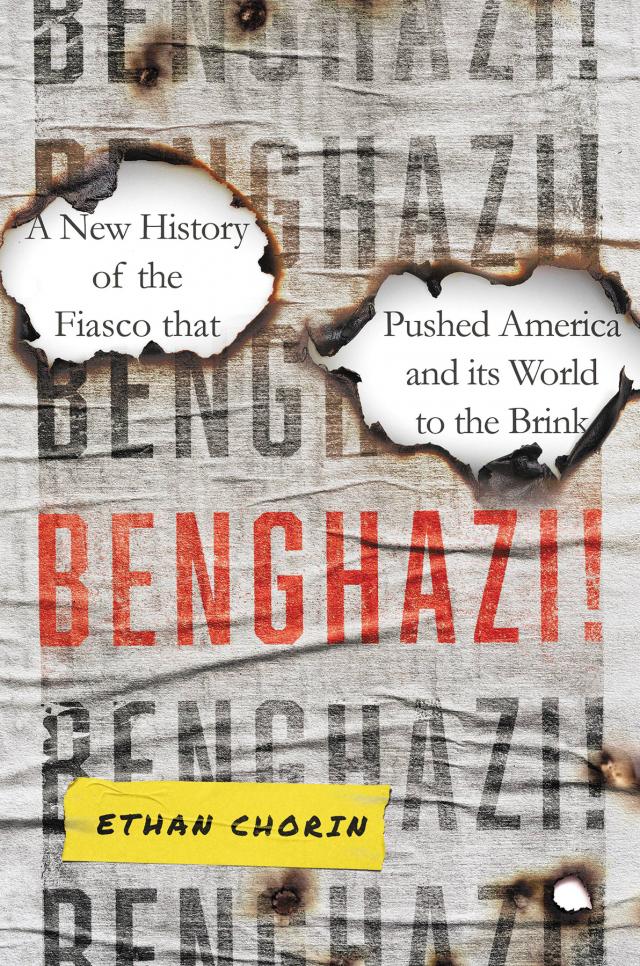
Benghazi!, page 1


Copyright © 2022 by Ethan Chorin
Jacket design by Notch Design
Jacket copyright © 2022 by Hachette Book Group, Inc.
Hachette Book Group supports the right to free expression and the value of copyright. The purpose of copyright is to encourage writers and artists to produce the creative works that enrich our culture.
The scanning, uploading, and distribution of this book without permission is a theft of the author’s intellectual property. If you would like permission to use material from the book (other than for review purposes), please contact permissions@hbgusa.com. Thank you for your support of the author’s rights.
Hachette Books
Hachette Book Group
1290 Avenue of the Americas
New York, NY 10104
HachetteBooks.com
Twitter.com/HachetteBooks
Instagram.com/HachetteBooks
First Edition: September 2022
Published by Hachette Books, an imprint of Perseus Books, LLC, a subsidiary of Hachette Book Group, Inc. The Hachette Books name and logo is a trademark of the Hachette Book Group.
The Hachette Speakers Bureau provides a wide range of authors for speaking events.
To find out more, go to www.hachettespeakersbureau.com or call (866) 376-6591.
The publisher is not responsible for websites (or their content) that are not owned by the publisher.
Library of Congress Control Number: 2022940622
ISBNs: 978-0-306-82972-7 (hardcover), 978-0-306-82974-1 (ebook)
E3-20220713-JV-NF-ORI
Contents
Cover
Title Page
Copyright
Dedication
Maps
Principal Characters
Note on Arabic Transliterations
Timeline
Prologue: The Attack, Part I
Introduction
PART I
Pieces of a Puzzle 1. Setting Up Blowback
2. Flipping a Rogue
3. The Dark Side of the Moon
4. City of Light and Darkness
5. Die Hard in Derna
6. The Corrections
PART II
Risky Business 7. Fear and Loathing in Washington
8. Goodwill Hunting
9. The 51/49 Decision
10. Expeditionary Diplomat
11. Arming the Radicals
12. The Good-Hearted Bookseller
13. The Fall
14. The Ides of February
15. On the Eve of the Attack
PART III
The Attack and the Scandal 16. The Attack, Part II
17. Cairo
18. “We Were Drinking Tea”
19. Witnesses Huddle
20. Romney’s Lunge
21. The Talking Points Debacle
22. Stuck with the Story
23. Collateral Damage
24. Investigations Galore
25. Stand-Down Orders
26. Paired Controversies: Benghazi and the Emails
PART IV
The World Benghazi Made 27. Benghazi and the 2016 Election
28. The Damage Done to Libya
29. Killing the Whispers (of a Strong Syria Policy)
30. Back to Libya
31. The World After Benghazi
32. Other Benghazis?
Conclusion: Benghazi and the Brink
Acknowledgments
Discover More
Bibliography
Notes
For my parents
Explore book giveaways, sneak peeks, deals, and more.
Tap here to learn more.
Principal Characters
AMERICANS
US Officials in Tripoli or Benghazi at the Time of the Attack
Glen Doherty: Member of the Global Response Staff, former Navy SEAL, killed in Benghazi on September 12, 2012
Gregory Hicks: Deputy Chief of Mission (DCM) at US Embassy Tripoli in 2012
Brian Linvill: Lieutenant Colonel in the US Army, Defense Attaché at US Embassy Tripoli, 2008–2012
David McFarland: Foreign Service Officer and Acting Principal Officer at the Benghazi Mission just prior to the attack
Sean Smith: State Department Communications/Information Officer, Air Force veteran, on temporary duty to US Embassy Tripoli, killed in Benghazi on September 11, 2012
John Christopher (Chris) Stevens: US Ambassador to Libya from May 22, 2012, to September 11, 2012
Scott Wickland: Stevens’s assigned personal diplomatic security agent in Benghazi
Tyrone S. Woods: Member of the Global Response Staff, former Navy SEAL, killed in Benghazi on September 12, 2012
Obama Administration Officials
Joseph Biden: Vice President of the United States, 2009–2016; forty-sixth President of the United States, 2021–
Derek Chollet: Lawyer, Senior Director for Strategic Planning at the National Security Council
James Clapper: Director of National Intelligence, 2010–2017
Hillary Rodham Clinton: Secretary of State, 2009–2012; Democratic Senator from New York, 2000–2008; Democratic presidential candidate in 2016
James Comey: Director of the FBI, 2013–2017
Robert Gates: Secretary of Defense, 2006–2011
Mike Morrell: Deputy Director of the CIA, 2010–2013; acting director in 2011 and 2012–2013
Barack Obama: Forty-fourth President of the United States, 2009–2016
Leon Panetta: Secretary of Defense, 2011–2013; CIA Director, 2009–2011
David Petraeus: CIA Director from September 6, 2011, to November 9, 2012; Commander of the US forces in Afghanistan, 2010–2011
Samantha Power: Special Assistant to the President, National Security Council, 2009–2013; author of A Problem from Hell: America and the Age of Genocide
Ben Rhodes: Deputy National Security Advisor for Strategic Communications and Speechwriting in the Obama administration, 2009–2017
Susan Rice: Ambassador to the United Nations at the time of the US intervention in Libya
Jake Sullivan: Director of Policy Planning at the State Department from February 2011 to February 2013
Republican Officials
John McCain: Senator from Arizona, who supported Obama’s intervention in Libya; Republican presidential nominee in 2008
Mitt Romney: Governor of Massachusetts (2003–2007); Republican presidential candidate in 2012
Republican Politicians Connected to Benghazi Hearings
Trey Gowdy: Representative from South Carolina, Chair of the House Select Committee on Benghazi from May 8, 2014, to July 8, 2016
Darrell Issa: Representative from California, Chair of the House Oversight Committee, 2011–2015
Ron Johnson: Senator from Wisconsin
Mike Pompeo: Representative from Kansas, member of Republican majority on the Benghazi Committee
Donald Trump: Forty-fifth President of the United States, 2017–2021
US Ambassadors
Prudence Bushnell: Ambassador to Kenya, 1996–1999
Gene Cretz: First post-reconciliation Ambassador to Libya, 2008–2012
Gerald Feierstein: Ambassador to Yemen, 2010–2013
Deborah Jones: Ambassador to Libya, 2013–2014
Anne Patterson: Ambassador to Egypt, 2011–2013; Assistant Secretary of State for Near Eastern Affairs, 2013–2017
Jacob Walles: Ambassador to Tunisia, 2012–2015
LIBYANS
Islamistsi
Ahmed Abu Khattala: Convicted of lesser terrorism charges in a US court in connection to the September 11, 2012, attack
Mohammed Al Gharabli: Head of the Rafallah al-Sahati Brigade at the time of the Benghazi US Mission attack
Abu Anas Al Libi: A.k.a. Nazih Abdul-Hamed al-Ruqai’i, former member of the LIFG, indicted in the United States in connection with the 1998 East Africa US embassy bombings
Abu Laith al-Libi: A.k.a. Ali Ammar Ashur al-Rufayi, Al Qaeda’s number three under Osama bin Laden
Ibn al-Sheikh al-Libi: Libyan Al Qaeda operative whose remarks under torture were used to help make the case for the US war on Iraq
Abdel Wahab Al Qaid: A.k.a. Abu Idris Al Libi, the LIFG’s political counselor and strategist
Mohammed Hassan Al Qaid: A.k.a. Abu Yahya Al Libi, Al Qaeda’s number two under Ayman Al-Zawahiri, brother of Abdel Wahab Al Qaid
Sami al-Saadi: A.k.a. Abu Munthir, LIFG’s expert on Islamic law
Khalid al-Sherif: A.k.a. Abu Hazim al-Libi, LIFG’s number two, rendered to Libya by the CIA in April 2005, participated in the Corrections
Mohammed al-Zahawi: Leader of Ansar al-Sharia Libya
Abdulhakim Belhaj: A.k.a. Abu Abdullah al-Sadiq, Emir of the Libyan Islamic Fighting Group (LIFG) since 1995; Head of the Tripoli Military Council after the fall of Tripoli
Wissam Bin Hamid: Head of Libya Shield One militia
Abu Sufian Bin Qumu: Former driver of bin Laden in Sudan, Guantanamo prisoner, LIFG member, head of Ansar al-Sharia Derna
Mahdi Harati: Ex-co-commander of the Tripoli Brigade and commander of Syrian fighting group Liwa al Ummah
Ali Sallabi: Significant figure in the Libyan Muslim Brotherhood, mediator of the Corrections
Ismail Sallabi: Early leader of Rafallah al-Sahati Brigade, brother of Ali Sallabi
Politicians and Public Figures
Mustafa Abdel Jalil: Chairman of the National Transitional Council from March 2011 to August 2012, former Minister of Justice under Gaddafi
Abdurrahim El Keib: Interim Prime Minister of Libya from November 2011 to November 2012
Bubaker Habib: Chris Stevens’s Benghazi-based assistant, former US Liaison Office Tripoli employee
Khalifa Heftar: Former Gaddafi general, launched Karama movement and the Libyan National Army in 2014
Mahmoud Jibril: Interim Prime Minister for the National Transitional Council (2011), head of National Forces Alliance party
Aref Nayed: Islamic scholar, former Libyan Ambassador to the United Arab Emirates and head of the Stabilization Committee during the revolution
Abdel Fattah Younes: Former Gaddafi Interior Minister and commander of the Al-Saiqa special forces, subsequent rebel forces commander
Gaddafi Regime
Muammar Gaddafi: Leader of Libya
Saif Gaddafi: Second-oldest son of Gaddafi, de facto head of Libya’s reform program, heir apparent to Gaddafi
Abdullah Senussi: Gaddafi’s Head of Internal Security and brother-in-law, linked to the Abu Salim massacre of 1996
INTERNATIONAL ISLAMIST FIGURES
Ayman Al-Zawahiri: Cofounder of Al Qaeda, founder of Egyptian Islamic Jihad, successor to bin Laden
Muhammed Al-Zawahiri: Brother of Ayman Al-Zawahiri, allegedly helped plan protests at US Embassy Cairo on September 11, 2012
Osama bin Laden: Leader of Al Qaeda, killed in Obama-ordered US raid in 2011
LIBYAN AND SYRIAN GROUPS, MILITIAS, AND POLITICAL PARTIES
Al Qaeda in the Islamic Maghreb (AQIM): Leading formal Al Qaeda franchise in North Africa, allied with Ansar al-Sharia Libya
Ansar al-Sharia Derna: Affiliate of Ansar al-Sharia Libya, headed by former Guantanamo detainee Abu Sufian Bin Qumu
Ansar al-Sharia Libya: Salafis-jihadi group headed by Mohammed al-Zahawi, accused of masterminding the Benghazi attack; pledged allegiance to the Islamic State in October 2014
February 17 Martyrs Brigade (Feb 17): Umbrella group for a mix of Islamist militias, contracted by the US Embassy to provide security to the Benghazi Mission
Free Syrian Army (FSA): Military alliance founded July 2001 by defected officers of the Syrian Army, with the goal of taking down Assad; eroded by late 2012 with influx of Islamist groups
General National Congress (GNC): First post-revolution elected parliament, July 7, 2012, to June 25, 2014
Government of National Accord (GNA): Product of the Libyan Political Agreement (LPA), 2016–2021
House of Representatives (HOR): Second elected Libyan parliament, 2014–
Libyan Islamic Fighting Group (LIFG): Libyan jihadist affiliate of Al Qaeda, most active in Libya in the mid-1990s, disbanded as part of the Corrections; also known as muqatila for short
Libyan Islamic Movement for Change (LIMC): Successor to the LIFG, thought to have been created February 2011; changed its name to Islamic Movement for Reform in November 2011, with many of the same LIFG members as advisors
Libyan National Army: Military force that emerged from General Khalifa Heftar’s Karama movement of May 2014, later reported to the parliament (HOR), elected in 2014
Libya Shields: Government-sanctioned armed groups formed in 2012 to manage regional security following the fall of the regime. The most visible was Libya Shield One, based in Benghazi
Liwa’ al Ummah: Libyan-led militia in Syria fighting Bashar al-Assad, founded by Mahdi Harati in 2011
Muslim Brotherhood: Muslim Revivalist organization founded by Hassan al-Banna in Egypt in 1928
National Forces Alliance (NFA): Coalition of progressive parties founded by Mahmoud Jibril, won plurality in the 2012 elections
National Transitional Council (NTC): The Libyan transitional government following the US–NATO intervention in March 2011
Rafallah al-Sahati Brigade: Libyan militia established in Benghazi, linked to the killing of Abdel Fattah Younes
Syrian National Council (SNC): Syria’s government in exile, formed in 2011 and located in Istanbul
i NOTE: Most Salafi jihadi fighters go by their nom de guerre or kunya, which may be formed from the name of their oldest son. The suffix “Al Libi” (“The Libyan”) indicates someone who identifies as Libyan.
Note on Arabic Transliterations
In most instances I use the most common English spellings for Arabic proper nouns.
Timeline
1928: Founding of the Muslim Brotherhood
1951: Libyan independence as federated constitutional monarchy under King Idris
1959: Discovery of oil in commercial quantities in Libya
1969: September 1: Military coup headed by Muammar Gaddafi overthrows King Idris
1979
December: Soviet invasion of Afghanistan
December 2: Mob attacks and burns the US Embassy in Tripoli
December 22: United States designates Libya a state sponsor of terrorism
1980: February 15: US Embassy in Tripoli closes
1986
April 5: A bomb explodes in the La Belle discotheque in West Berlin, killing three (two Americans) and wounding 230
April 15: United States attacks targets in Tripoli and Benghazi
1988
Key members of future LIFG leadership travel to Afghanistan to join the mujahideen
Osama bin Laden and Ayman Al-Zawahiri establish Al Qaeda
General Khalifa Heftar captured in Chad
December 21: Bombing of Pan Am Flight 103 over Lockerbie, Scotland, kills 270
1989: Gaddafi bombs French airliner, Union de Transports Aériens (UTA) Flight 772, over Niger
1992
Al Qaeda moves to Sudan
March 31: UN Security Council resolution demands Libya turn over suspects in Pan Am and UTA bombings
1993: UN Resolution 883 escalates sanctions on Libya and freezes Libya’s foreign assets abroad
1994: LIFG assassination attempt on Gaddafi in Sebha fails
1995: Belhaj becomes emir of LIFG, which announces its presence in Libya
1996
February or March: UK-backed LIFG assassination attempt on Gaddafi in Sirte fails
Summer: Massacre of approximately 1,250 prisoners at Abu Salim prison in Tripoli
November 1: Qatar launches Al Jazeera channel
Bin Laden and Al Qaeda kicked out of Sudan; Al Qaeda and LIFG members return to Afghanistan
1998
August 7: East Africa bombing of US Embassies in Kenya and Tanzania by Al Qaeda
LIFG broken as a force in Libya
2000
October 12: Bombing of USS Cole in Aden, Yemen, by Al Qaeda
LIFG announces unilateral cease-fire in Libya
2001
September 11: Al Qaeda terrorist attacks in United States
Gaddafi offers condolences to United States in wake of 9/11 attacks
October 6: UN resolution designates LIFG a terrorist group
2003
March 20: United States invades Iraq
May: Libya indicates willingness to resolve outstanding issues with United States and United Kingdom
May: Casablanca, Morocco, bombings kill forty; Moroccan Islamic Combatant Group and LIFG implicated
September 12: UN Security Council adopts Resolution 1506 lifting sanctions on Libya
December 19: Libya announces its intention to dismantle its Weapons of Mass Destruction
2004
United States begins returning LIFG leadership to Libya as part of “extraordinary renditions” (2004–2005)
February 8: Resumption of a direct diplomatic presence in Libya occurs with the arrival of US personnel at the US Interests Section in Tripoli
June 28: The US Liaison Office (USLO) in Tripoli officially opens
First work on opening an “American Corner” in Benghazi (2004–2005)
2005: Unofficial start of the Corrections process of rehabilitating the LIFG
2006
February 17: Anti-Gaddafi riots in Benghazi and eastern cities, superficially linked to Danish cartoon controversy
May 15: The United States begins the process of rescinding Libya’s designation as a state sponsor of terrorism, announces its intention to upgrade the US diplomatic presence in Tripoli to an embassy, and certifies that Libya is cooperating fully with USG anti-terrorism efforts






